Nurturing the Whole Child
Daily Life & Routines
At Fiona's Farmhouse, every part of the day is an opportunity for learning, connection, and growth -- from calm mealtimes to joyful clean-up routines.
Our Approach to Routine & Flexibility
We believe that routine provides security, confidence, and a strong foundation for learning — for both children and educators.
We follow a consistent daily routine and schedule that helps toddlers and preschoolers know what to expect, supports emotional regulation, and creates a calm, predictable environment. This structure is an essential part of a healthy early learning setting and allows children to feel safe and settled throughout the day.
At the same time, we proudly recognize that toddlers and preschoolers have minds of their own.
Children arrive each day with different needs, energy levels, interests, and emotions — and we honor that. While we stay true to our routine, we may adjust activities, pacing, or focus depending on the unique dynamics of the group on a given day or week.
This Balanced Approach Allows Us To:
Predictable Structure
Maintain a healthy, predictable routine that helps children feel safe and settled
Responsive Teaching
Respond thoughtfully to children's needs, interests, and emotions
Inclusive Support
Support neurodivergent learners and varying sensory needs
Calm Environment
Keep the environment calm, respectful, and developmentally appropriate
Flexibility within structure is not a lack of planning — it is intentional, responsive teaching that keeps the well-being of children and educators at the center of everything we do.
What a Day Looks Like at Fiona's Farmhouse
We follow a consistent daily routine designed to support regulation, independence, and confidence. Routine is healthy for both children and educators, and it provides predictability that helps children feel safe and secure.
At the same time, we recognize and affirm that toddlers and preschoolers have minds of their own. While we remain true to our daily routine, activities may shift slightly based on the needs, interests, and energy of the group on a given day or week. Our program is individualized to each child, not driven by age-based expectations. Children are never forced to participate. They are invited, supported, and encouraged to engage at their own pace and through the interests they show.
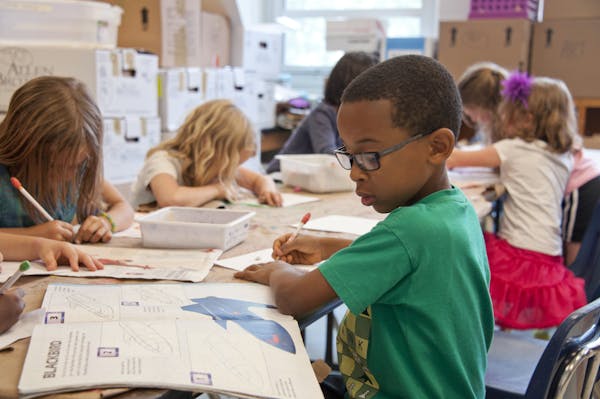
Arrival & Morning Transitions
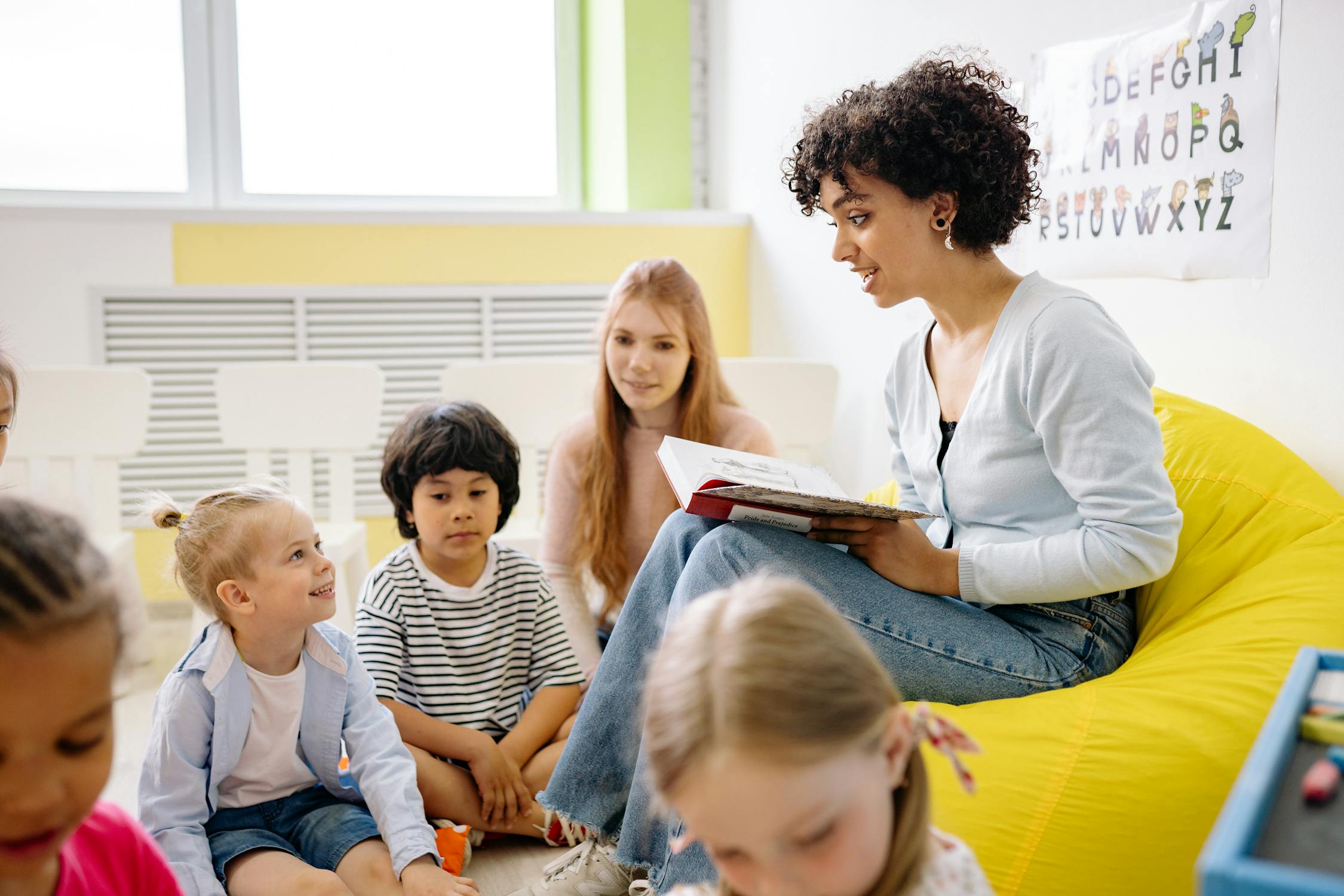
Children are welcomed with warm greetings into our dedicated learning space. The morning is unhurried and calm, allowing children to transition at their own pace. This time includes handwashing, breakfast, independent exploration, and story time.
Community Circle
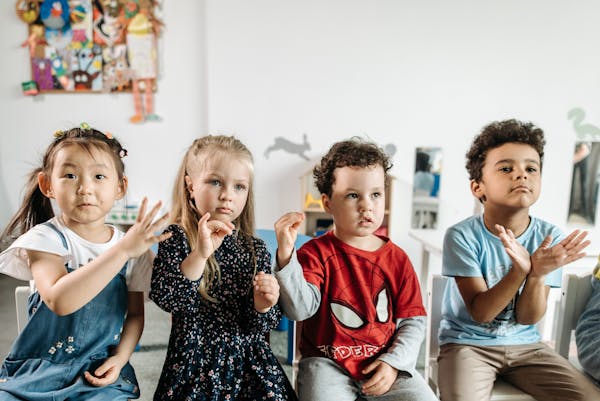
We come together for songs, calendar, weather discussion, feelings check-ins, kindness practices, and a gentle overview of the day ahead. Participation is always optional.
Sensorial & Practical Life Exploration
Children engage in hands-on activities such as pouring, scooping, building, and working with manipulatives. These activities support fine motor development, concentration, independence, and real-world skills.
Music & Movement
Through rhythm, stretching, and movement, children build body awareness, coordination, and self-regulation in a fun and supportive way.
Outdoor Exploration
Daily outdoor time includes gross motor play, nature observation, gardening, and movement. Nature is treated as an extension of the classroom, supporting sensory regulation and curiosity.
Transition Indoors
Children wash hands and participate in clean-up routines, building responsibility and independence.
Lunch Preparation & Free Play
Children may assist with simple lunch preparation tasks if they choose, while others engage in calm free play.
Handwashing & Table Setting
Children prepare for lunch together, practicing hygiene and care for their shared space.
Lunch
Children eat together in a relaxed, unrushed environment and help clean their dining space afterward.
Preparing for Rest
Toileting, hygiene routines, and rest mat setup help children transition smoothly into rest time.
Rest / Nap Time
Children rest according to their individual needs. Quiet alternatives are available for children who do not sleep.
Snack
A nutritious snack is offered in a calm setting.
Afternoon Learning
Hands-on learning experiences may include literacy, math, art, STEM, and creative exploration, guided by children's interests and developmental readiness.
Outdoor Time
Additional outdoor play supports movement, regulation, and social connection.
Free Exploration & Departure
The day winds down with child-led play, individual care routines, and calm departures.
Diapering & Toileting
Diaper changes and toileting or toilet-training support occur every two hours or as needed, in accordance with licensing requirements and individual child needs.
Meals & Nutrition
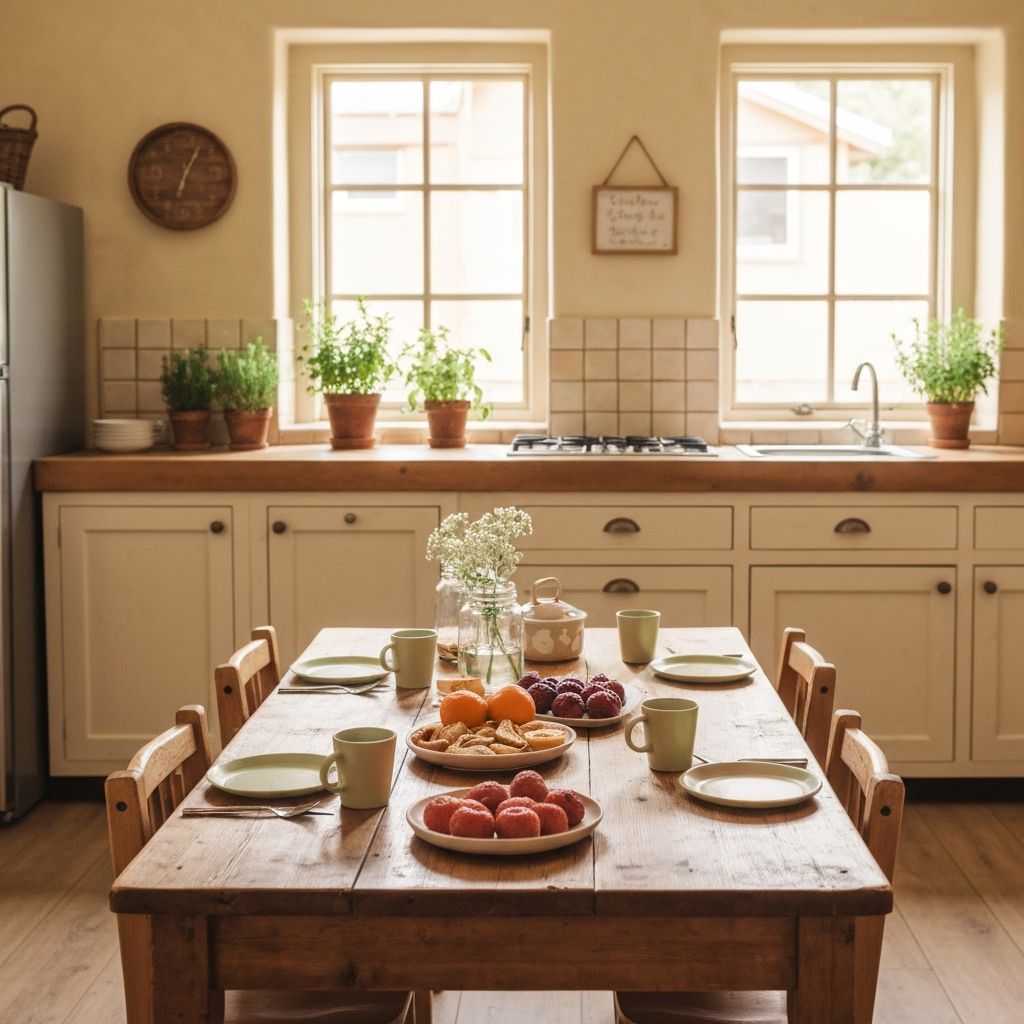
We believe mealtimes should feel calm, nourishing, and emotionally supportive -- not stressful. Nutritious meals and snacks are included in tuition and are thoughtfully planned to support growing toddlers and preschoolers.
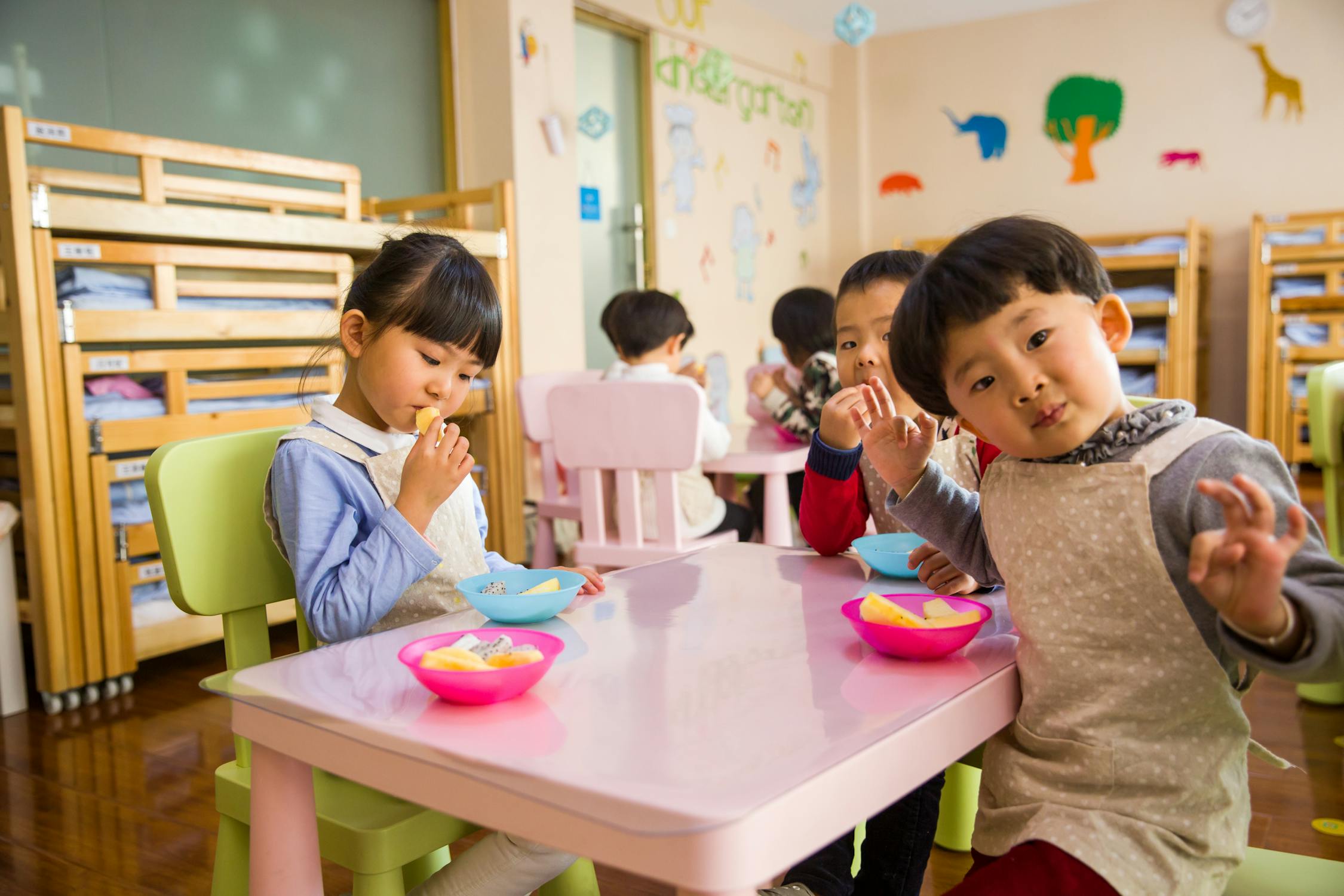
Our Menu Philosophy
Balanced Nutrition
Balanced, age-appropriate nutrition for growing bodies
Variety Without Pressure
Exposure to a variety of foods without pressure to eat
Respect & Comfort
Respect for each child's preferences and comfort level
Positive Routines
Positive, relaxed mealtime routines every day
Children are never forced to eat and are encouraged to listen to their bodies. Mealtimes are social, unrushed, and supportive.
Family-Supported Meals
While meals and snacks are included in tuition, parents are encouraged to send food from home if:
- ✓Their child prefers familiar foods
- ✓They are working through food sensitivities or selectivity
- ✓They have dietary restrictions or allergies
- ✓They feel more comfortable supporting their child's eating routines
This approach helps children feel safe, confident, and regulated during mealtimes -- especially during the transition into care. We work closely with families to support each child's needs and preferences.
Mealtime Environment
Our mealtime environment is designed to be warm, social, and supportive of every child's relationship with food.
Calm, seated meals with peers
Children are encouraged -- never pressured -- to try foods
Educators model positive eating habits
Children help with simple meal routines when appropriate
Respect for sensory needs and food boundaries
Mealtime Independence & Practical Life Skills
Mealtimes are also opportunities for children to build confidence, independence, and real-world skills. These tasks are offered as learning opportunities -- never as expectations or pressure.

Bus Their Own Area
Children learn to clear their eating area after meals
Wipe Their Space
Using child-appropriate tools to clean their space
Wash Their Dishes
Occasionally participate in washing dishes when developmentally appropriate
How This Helps Children Grow
Participation is always voluntary and guided by each child's readiness and interest. Practical life experiences are woven naturally into the day.
Independence & Responsibility
Develop a sense of ownership and self-reliance
Fine Motor Skills
Build coordination through real-world tasks
Pride in Their Environment
Gain confidence by caring for shared spaces
Respect for Shared Spaces
Learn to value and maintain communal areas
Clean-Up as Learning
Clean-up is a meaningful part of the day and an opportunity for children to build independence, coordination, and pride in their environment. Clean-up at Fiona's Farmhouse is not about perfection -- it's about participation, learning, and pride.

Teacher-Led & Structured
Clean-up times happen twice daily and are always teacher-led, structured, and guided. Children are invited to participate using child-sized, age-appropriate cleaning tools during a fun, music-supported routine.
Children may be offered the opportunity to:
Vacuum
Vacuum with child-safe equipment
Dust
Dust surfaces using soft cloths
Sweep & Mop
Sweep and mop using child-sized tools
All activities are closely supervised and presented as learning experiences -- never as expectations or obligations. Participation is always optional and based on each child's interest and readiness.
Music-Supported
Clean-up is paired with music to:
- ♫Support regulation and transitions
- ♫Encourage cooperation and engagement
- ♫Create a positive, joyful group experience
How This Helps
Develop practical life and motor skills
Learn responsibility and care for shared spaces
Build confidence through real-world tasks
Experience teamwork in a calm, supportive way
Hygiene & Self-Care Routines
We support healthy habits through consistent, age-appropriate self-care routines that are taught gently and respectfully. Hygiene routines are treated as learning moments -- not rushed tasks -- and are woven naturally into the rhythm of the day.
Afternoon Tooth-Brushing Routine
After rest time, children are guided through a tooth-brushing routine as part of our afternoon transition. This routine is teacher-led, closely supervised, and tailored to each child's developmental readiness.
Individual Toothbrushes
Children brush their teeth using individual, labeled toothbrushes
Guided Techniques
Learn proper brushing techniques through demonstration and guidance
Supportive Environment
Practice personal hygiene in a calm, supportive environment
Participation is always encouraged but never forced. Children who are not ready to brush independently are supported at their level.
Building Lifelong Healthy Habits
Build healthy oral-care habits early
Develop independence and confidence
Transition smoothly from rest time into the afternoon
Learn self-care in a positive, stress-free way